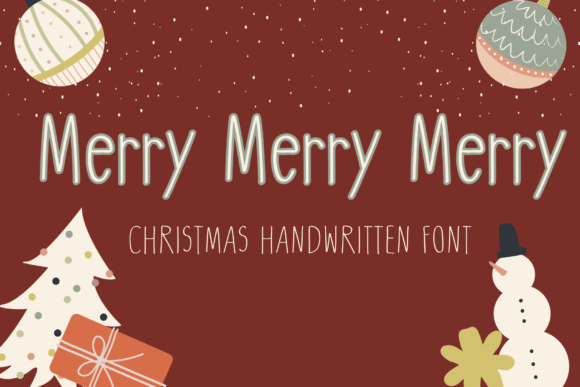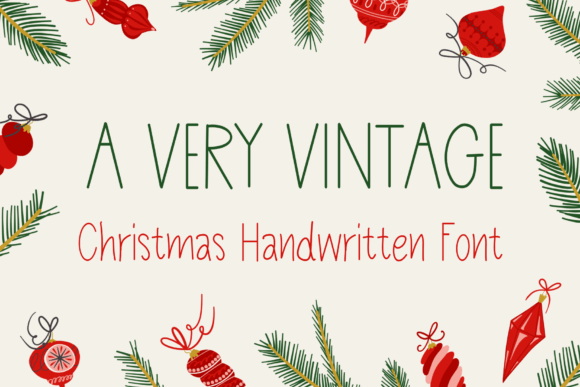
A Sweet Handwritten Font for Crafters and Creatives
There's a certain magic that happens when a design feels instantly approachable. It might be a logo that feels like it was sketched by a friend, or a wedding invitation that whispers of personal touch. That feeling often comes down to one crucial element: the typography. If you've been searching for a typeface that brings warmth, personality, and a dash of playful nostalgia to your work, let me introduce you to a fantastic option. This friendly, handwritten display font is a versatile tool that can soften edges, inject joy, and connect with your audience on a more human level.
Understanding the Font's Personality
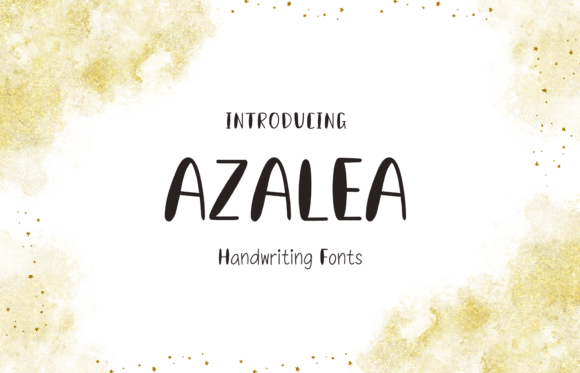
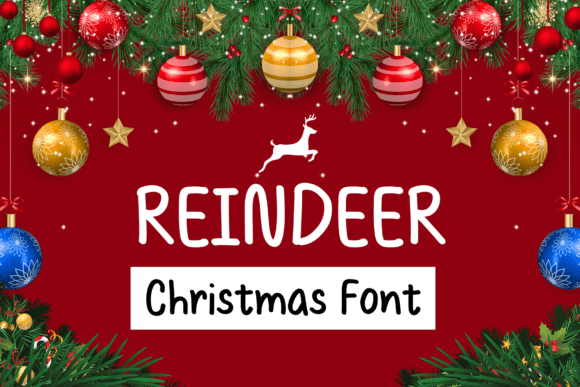
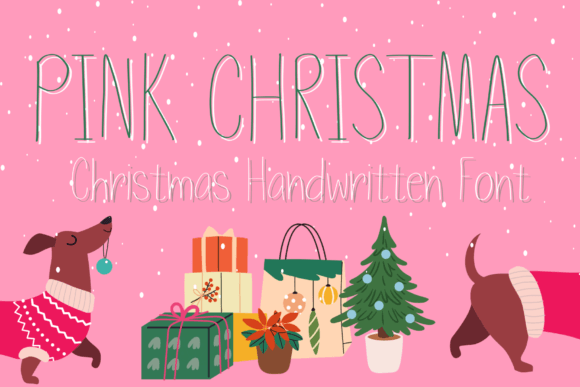
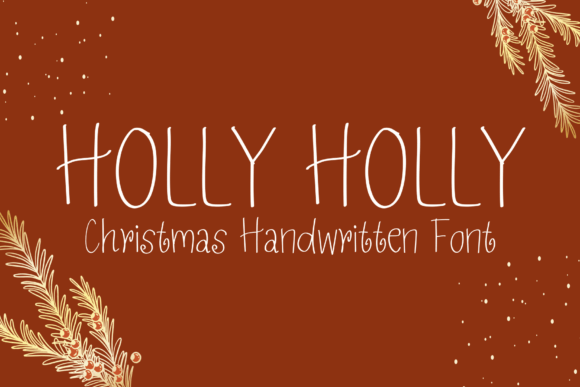
At its core, this is a display font with a distinct handwritten character. Think of it as the typographic equivalent of a friendly smile. Its letterforms are crafted with smooth curves and a slight irregularity that mimics natural handwriting, avoiding the cold precision of a standard sans serif font. This gives it an inherent sweetness and approachability. It's not trying to be overly formal or edgy; its goal is to be fun, cute, and engaging. This personality makes it a powerful creative font for projects where you want to establish an immediate emotional connection, whether you're a teacher creating classroom materials or a small business owner crafting your brand's visual identity.
Where This Typeface Truly Shines: Practical Applications
The real value of a font lies in its application. This particular style excels in scenarios that call for a personal, handmade aesthetic. It's a champion for packaging design, especially for artisanal goods, children's products, or boutique brands where a crafted feel is a selling point. Imagine it on a label for homemade jam or a gift tag for handmade candles. It instantly communicates care and personality.
For social media graphics, this font can cut through the noise. Its friendly vibe is perfect for quotes, announcements, and story overlays on platforms like Instagram or Pinterest, helping to boost audience engagement. In the realm of editorial design, consider using it for pull quotes, chapter titles, or subheadings in a lifestyle magazine or blog to add a touch of whimsy. It's also a natural fit for invitations—think birthday parties, baby showers, and casual weddings—where a formal script might feel out of place. Furthermore, it’s an excellent choice for merchandise like t-shirts, mugs, and posters, particularly for designs with a comic book style or a retro, playful theme.
Integrating It Into Your Brand and Marketing
Choosing a font for your brand identity is a strategic decision. This handwritten style works best for brands that want to project values like friendliness, creativity, authenticity, and approachability. It could be perfect for a children's clothing line, a local bakery, a freelance illustrator, or a wellness coach who wants to feel more like a supportive friend than a distant expert. Using it consistently in your logo design, website headers, and marketing materials can significantly improve brand recognition and create a cohesive visual story.
However, readability considerations are key. As a display font, it's designed for impact at larger sizes, not for body text. Use it strategically for headlines, subheads, and short bursts of text. For longer paragraphs on a website or in a blog post, pair it with a clean, highly readable serif font or sans serif font. This contrast creates visual hierarchy and ensures your message is both beautiful and easy to digest, enhancing professional presentation without sacrificing personality.
Smart Strategies for Using a Display Font
Before you dive in, a few practical tips will help you get the most out of this premium font. First, always review the included font styles. Does it come with alternate characters, ligatures, or multiple weights? These extras can add depth and customization to your designs. Second, invest time in testing font pairings. Try it alongside a geometric sans serif for a modern contrast, or a classic serif for a more balanced, elegant feel. The goal is harmony, not conflict.
Third, consider the context of your design assets. A font that looks charming on a wedding invitation might not have the necessary authority for a corporate report. Match the typography to your project's goals and audience expectations. Finally, a crucial step for any commercial project: commercial licensing considerations. Always ensure you have the correct license for your intended use, whether it's for digital products, printed merchandise, or client work. This protects you legally and supports the font's creators.
In the end, modern typography is about finding the right voice for your message. This sweet and friendly handwritten font offers a wonderful way to speak directly to your audience with warmth and charm. It’s more than just a typeface; it’s a tool for building connection, whether you're designing a set of classroom flashcards, launching a new product line, or simply adding a personal touch to your next creative project.