Grandma: A Handwritten Script for Authentic Branding
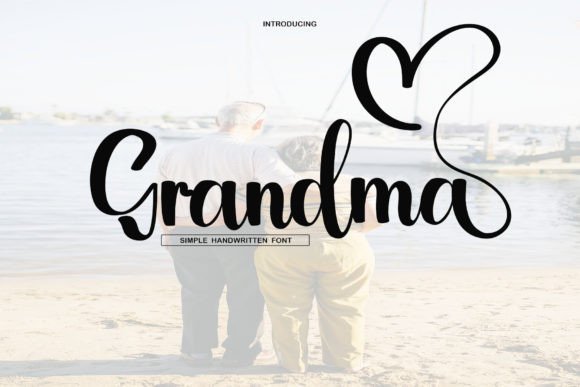
There’s a reason handwritten fonts never go out of style. In a world saturated with digital precision and corporate minimalism, a touch of human imperfection can make a design feel instantly more relatable, warm, and trustworthy. That’s the core appeal of Grandma, a script typeface that captures the spontaneous, free-flowing energy of casual handwriting. It’s not trying to be a formal calligraphy font; it’s the kind of lettering you might find in a cherished family recipe book, on a heartfelt birthday card, or scribbled in the margin of a favorite novel. This authenticity is what makes it such a versatile tool for designers, entrepreneurs, and creators looking to inject personality into their projects.
More Than Just a Pretty Face: The Visual Character of Grandma
What sets Grandma apart from other script or handwritten fonts is its deliberate lack of rigidity. The letterforms have a natural, slightly irregular baseline and varying stroke weights that mimic the pressure of a real pen on paper. This isn’t a font that was meticulously vectorized from perfect calligraphy; it was designed to feel random and free, which gives it an approachable, handmade quality. The characters connect in a fluid, cursive manner, creating a sense of movement and energy that static, geometric fonts simply can’t achieve. It’s a display font at heart, meaning it shines brightest when used for headlines, logos, and short bursts of impactful text where its personality can truly be appreciated. Think of it as the typographic equivalent of a friendly smile or a confident handshake—it makes an immediate, positive impression.
Practical Applications: Where Grandma Truly Shines
The real value of a font like Grandma is in its application. Its versatile, friendly aesthetic makes it suitable for a surprisingly wide range of creative and commercial projects. Here’s how you can put it to work:
- Brand Identity & Logos: For businesses in the artisanal, boutique, lifestyle, or food spaces, Grandma can form the cornerstone of a brand’s visual identity. It’s perfect for a bakery’s logo, a boutique clothing label’s wordmark, or a wellness brand’s primary headline font. It communicates craft, care, and a personal touch, helping to build immediate emotional connection with the audience.
- Packaging & Merchandise: On product packaging, this handwritten script adds a layer of perceived value and craftsmanship. Imagine it on a jam jar label, a candle box, or a coffee bag. For merchandise like t-shirts, tote bags, or mugs, it offers a trendy, artisanal look that appeals to modern consumers.
- Digital Presence: Use Grandma strategically on your website for hero section headlines, blog post titles, or special announcement banners to draw the eye and break up the monotony of standard body text. On social media, it’s invaluable for creating engaging Instagram stories, quote graphics, and promotional posts that stand out in a fast-scrolling feed. It’s a fantastic tool for YouTube thumbnails and channel art, adding a personal, creator-driven vibe.
- Print & Editorial Design: In the realm of print, it excels on posters, flyers, and event invitations, especially for weddings, parties, or community events. For magazines and book covers, particularly in genres like romance, young adult, or lifestyle, it can set a compelling and emotive tone. It’s also a great choice for designing unique greeting cards or stationery.
Integrating Grandma into Your Design Workflow
Choosing a font is just the first step. Using it effectively requires a bit of strategy to ensure it enhances, rather than hinders, your project’s goals.
Readability is Paramount. Because Grandma is a script font with connected characters, it’s not suited for long paragraphs of body copy. Its strength is in display settings—headlines, titles, and logos where the text is large and the word count is low. Always test your chosen text at the intended size to ensure it’s legible, especially at smaller scales. If you’re using it on a website, ensure there’s sufficient contrast between the text color and the background.
Mastering Font Pairings. The key to professional typography is contrast. Pair Grandma with a clean, simple sans serif font or a classic, readable serif font for body text. This creates a visual hierarchy that is both beautiful and functional. For example, use Grandma for a website’s main headline, followed by a font like Open Sans or Lora for the descriptive paragraph underneath. This combination feels balanced: the script adds personality, while the secondary font ensures clarity and readability for longer content.
Align with Project Goals. Ask yourself what emotion or message you want to convey. Grandma’s casual, free-spirited style is ideal for projects that aim to be friendly, creative, nostalgic, or artisanal. It might not be the right choice for a law firm’s annual report or a high-tech corporate brochure, but it’s perfect for a indie coffee shop’s menu or a yoga studio’s promotional poster. Understanding this alignment is a core part of effective modern typography.
Explore the Included Styles. A good premium font package often includes more than one weight or style. Check to see if Grandma comes with variations like bold, light, or italic. These additional styles can provide more flexibility within your designs, allowing you to maintain a consistent typographic voice while creating emphasis and variety where needed.
A Final Thought on Creative Assets
In the end, a typeface like Grandma is more than just a collection of letters—it’s a design asset that carries emotion and narrative. It’s a tool that can help bridge the gap between a brand and its audience by making visual communication feel more human and less transactional. Whether you’re a small business owner crafting your first brand identity, a designer working on a client’s packaging, or a content creator building a recognizable online presence, having a reliable, character-rich script font in your toolkit can make all the difference. It’s about choosing typography that doesn’t just look good, but feels right for the story you’re trying to tell.