Carnation: The Sweet, Handwritten Font with Serious Design Range
There’s a particular kind of warmth that only a handwritten font can convey. It feels personal, approachable, and instantly human—qualities that are increasingly valuable in our digital-first world. Enter Carnation, a sweet and friendly handwritten display font that manages to be both playful and versatile. With its cute, fun letterforms, it’s the kind of typeface that can soften a brand’s voice, add whimsy to a wedding invitation, or bring a smile to a child’s classroom poster. But don’t let its charm fool you; this font has practical applications across a surprising range of projects, from small business branding to digital product design.
A Typeface with Personality
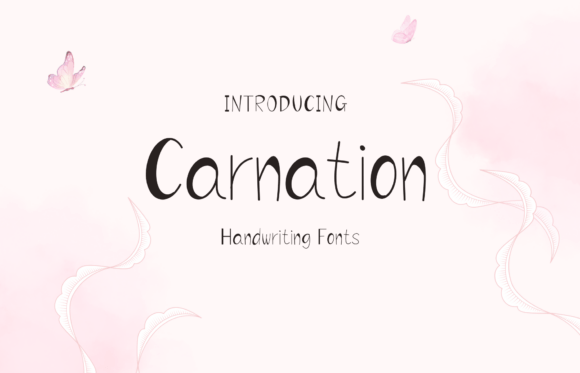
What sets Carnation apart in the crowded landscape of handwritten fonts is its balanced character. It’s clearly crafted with a human touch, featuring slightly irregular strokes that mimic natural handwriting, yet it maintains a consistent baseline and x-height that ensures legibility. This isn’t a chaotic, overly scripted font that’s impossible to read at small sizes. Instead, it’s a display font designed for impact and clarity. Its personality is sweet without being saccharine, friendly without being childish. This makes it an excellent choice for projects that need to feel authentic and relatable, whether you’re a small business owner crafting your brand identity or a content creator designing social media graphics that stop the scroll.
The visual appeal lies in its details. The letters have a gentle bounce, the connections between characters feel organic, and the overall texture is soft and inviting. It’s the typographic equivalent of a friendly wave or a handwritten note on a gift tag. This creative font works beautifully in contexts where you want to inject a dose of personality and warmth, moving away from the sterility of standard sans-serifs or the formality of traditional serifs.
From Wedding Invitations to Game Interfaces
The true test of a premium font is its range. Carnation proves its worth by adapting seamlessly to vastly different creative scenarios. Consider its use in editorial design. A food blogger could use it for recipe titles to create a cozy, homemade feel. A lifestyle magazine might employ it for pull quotes or section headers to break up dense copy and add a touch of informality. In packaging design, it’s perfect for products that emphasize artisanal quality, natural ingredients, or a family-owned heritage—think jam labels, candle branding, or boutique skincare.
For the world of events and personal celebrations, Carnation is a natural fit. Its charm elevates wedding invitations, save-the-date cards, and thank you notes, making them feel bespoke and heartfelt. But its applications extend far beyond the stationary drawer. Poster design for community events, school functions, or indie film festivals can benefit from its approachable vibe. Even in the digital realm, it shines. Imagine it as the title font for a cozy indie game, the header for a children’s educational website, or the logo for a podcast about creativity. Its versatility is a key asset for marketers and entrepreneurs who need a single, cohesive font that can work across multiple platforms—from a website header to a printed brochure.
Practical Guidance for Using Carnation Effectively
Integrating a new font into your design toolkit requires some strategy. First, consider your project’s goal. Is it to convey playfulness, nostalgia, or approachability? If so, Carnation is a strong candidate. However, for body text in long-form documents or websites, a serif font or sans serif font will almost always be more readable. Carnation’s strength is as a display font for headlines, logos, and short bursts of text where personality is paramount.
One of the most crucial steps is font pairing. A handwritten font like Carnation can feel overwhelming if used alone. The solution is to pair it with a clean, neutral companion. A classic sans-serif like Helvetica, Open Sans, or Lato provides a stable, readable foundation for paragraphs, allowing Carnation’s character to shine in headings without causing visual fatigue. For a more sophisticated look, pairing it with a transitional serif like Georgia or a modern serif like Playfair Display can create an elegant contrast between the organic and the structured.
Always test your pairings in context. Mock up a social media post, a website banner, or a sample packaging label. Check the readability at different sizes and on various devices. Remember that the commercial license for a commercial font like Carnation is an important consideration—ensure you have the correct license for your intended use, whether it’s for a personal blog or for merchandise you plan to sell. Review the included font styles; many premium fonts offer multiple weights or stylistic alternates that can add further nuance to your designs.
Building a Cohesive Brand with the Right Typeface
For a brand strategist or business owner, typography is a pillar of brand identity. The fonts you choose communicate your brand’s voice before a single word is read. Carnation, with its friendly and approachable demeanor, is ideal for brands that want to feel human, creative, and accessible. It’s particularly effective for businesses in the creative industries, education, children’s products, artisanal foods, and lifestyle services.
Using it consistently across your marketing assets—your logo, website, email newsletters, and social media graphics—builds visual consistency and aids in brand recognition. A customer should be able to recognize your brand’s style from a thumbnail or a glance at a poster. Carnation can be the central element of that recognition, especially when paired with a consistent color palette and imagery style. It helps create a professional presentation that feels intentionally crafted, not generic.
Ultimately, the goal is audience engagement. A font that resonates with your target audience can make your message more compelling and your brand more memorable. Carnation’s sweet, friendly nature can lower barriers, foster a sense of connection, and make your communications feel less like corporate broadcast and more like a conversation. Whether you’re a hobbyist making personalized gifts or a creative entrepreneur launching a new product line, choosing a typeface that aligns with your project’s heart is a powerful step in making your work stand out.