Ergonomic: The Handwritten Font That Feels Like a Hug
There’s a certain magic in a font that feels instantly approachable. You know the type—the one that makes a product label feel handmade, a social media post feel personal, and a wedding invitation feel warm. In a digital landscape often dominated by sharp, sterile lines, finding a typeface with genuine personality can be a game-changer for your project's connection with its audience. This is where a thoughtfully crafted handwritten display font enters the scene, offering a blend of charm and utility that can transform a standard design into something memorable.
Understanding Its Visual Personality
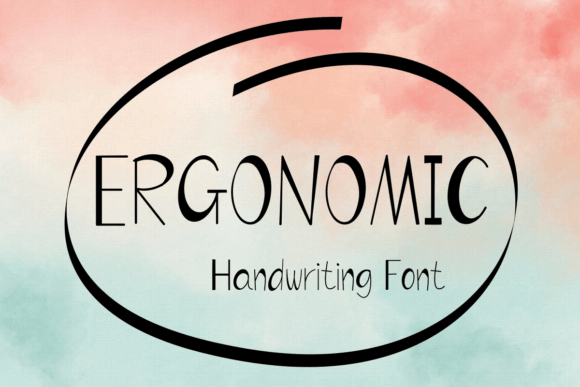
At its core, Ergonomic is a sweet and friendly handwritten display font. But let's unpack what that means for your work. "Handwritten" suggests a human touch, an authenticity that automated, geometric fonts often lack. The letterforms have a gentle, rounded quality, with slightly uneven baselines and variable stroke weights that mimic the natural flow of pen on paper. This isn't a frantic, chaotic script; it's controlled, legible, and deliberately cute. The spacing is generous, preventing the letters from feeling cramped, which enhances its friendly demeanor.
This visual style positions it perfectly for projects aiming to convey approachability, fun, and sincerity. It avoids the overly formal air of a serif font or the stark neutrality of a sans serif font. Instead, it carves out its own niche as a creative font that prioritizes emotional resonance. Think of it as the typographic equivalent of a friendly smile—it puts the viewer at ease and invites them in.
Where This Font Truly Shines: Practical Applications
The real test of any premium font is its versatility across different mediums. Ergonomic’s design makes it a surprisingly robust tool for a wide array of creative and commercial projects. Its primary strength lies in applications where a personal, handcrafted feel is desirable.
- Branding & Logo Design: For small businesses, boutiques, bakeries, or lifestyle brands, using this font in a logo can immediately establish a friendly and approachable brand identity. It works beautifully for logotypes where the brand name itself is the centerpiece.
- Packaging & Labels: Imagine it on a jar of artisanal jam, a bag of gourmet coffee, or a box of handmade soaps. It elevates packaging design from merely informational to experiential, suggesting care and quality.
- Digital & Social Media: In the fast-scrolling world of Instagram or Pinterest, a handwritten font like this can stop the thumb. Use it for quotes, sale announcements, or header text on graphics to add a burst of personality. It’s equally effective for blog headers and website accents.
- Print & Invitations: This is its natural habitat. Wedding invitations, greeting cards, event posters, and menu designs gain an intimate, celebratory quality. The font’s clarity ensures that even at smaller sizes, messages like dates and times remain readable.
- Mercandise & Editorial: For T-shirt designs, tote bags, or editorial layouts in magazines—especially in sections targeting a younger or creative demographic—it adds a fresh, contemporary vibe.
Essentially, if your project’s goal is to feel human, joyful, or handmade, Ergonomic is a strong candidate. It bridges the gap between casual doodling and polished modern typography.
Making It Work for Your Project: Practical Typography Tips
Finding a great font is only half the battle. Using it effectively is what separates good design from great communication. Here’s how to integrate a font like Ergonomic into your workflow with purpose.
Pairing for Balance and Hierarchy
A display font, no matter how charming, can become overwhelming if used for large blocks of text. The key is pairing. Combine Ergonomic with a clean, simple sans serif font for body copy. This creates a clear visual hierarchy: the handwritten font grabs attention for headlines and key phrases, while the sans serif ensures extended reading is comfortable and professional. For example, pair it with a font like Open Sans or Lato for a balanced, readable layout.
Testing for Readability in Context
Always test your chosen font in the specific context where it will be used. A font that looks perfect on your computer screen might become difficult to read on a mobile phone or when printed on textured paper. Check its legibility at the actual size it will appear. Pay attention to the kerning (space between letters) and leading (space between lines) in your design software—sometimes a small adjustment here can dramatically improve clarity.
Matching Font to Goal
Be intentional. Ask yourself: Does the playful, sweet nature of this font align with my brand’s voice and my audience’s expectations? For a tech startup, it might feel out of place. For a children’s clothing line, a community workshop, or a cozy café, it’s likely a perfect fit. Typography is a silent ambassador for your brand; ensure it’s speaking the right language.
Licensing: The Essential Fine Print
Before finalizing your design, always verify the font’s licensing. Is it a commercial font suitable for client work, merchandise for sale, or digital products? Understanding the license—whether it’s a one-time purchase for desktop use, a webfont license, or an extended license for mass production—is crucial to avoid legal issues down the line. Reputable font marketplaces provide clear licensing information.
Building a Cohesive Visual Language
Using a distinctive font like Ergonomic consistently across your touchpoints is a powerful way to build brand recognition. When customers see the same friendly, handwritten style on your Instagram posts, your product packaging, and your email newsletter, it creates a cohesive and trustworthy visual identity. This consistency is a cornerstone of professional design and effective marketing.
Furthermore, the right font can significantly improve audience engagement. A typeface that feels approachable and genuine can make your message more compelling, encouraging readers to stop, read, and connect. It transforms text from mere information into a part of the overall experience you’re creating.
In the end, choosing a font is about more than just aesthetics; it’s about communication strategy. A tool like Ergonomic offers a specific, valuable voice in the typographic toolbox—one that speaks with warmth, clarity, and a touch of handcrafted joy. When you match its personality to the right project and use it thoughtfully, it becomes more than just letters on a screen; it becomes an integral part of your story.