Western Heritage: Capturing Frontier Spirit in Your Brand
There’s a specific feeling evoked by the typography of the American West—whether it’s the bold, weathered lettering on an old saloon door, the crisp print of a wanted poster, or the embossed gold of a vintage bank sign. It speaks of durability, authenticity, and a certain rugged individualism. For designers and entrepreneurs today, tapping into that visual language can be a powerful way to create an instant connection with an audience. This is where a typeface like Western Heritage comes into play. It’s not just a set of letters; it’s a design tool built to channel that vintage western aesthetic, inspired directly by classic logo typography and the handcrafted signage of a bygone era.
A Typeface Built for Character and Recognition
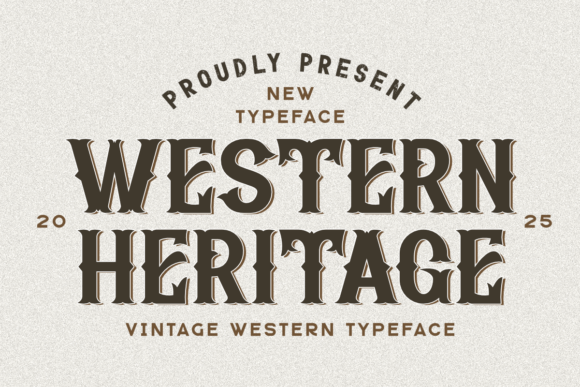
What makes a font like Western Heritage visually compelling is its inherent personality. It’s a display typeface, meaning it’s designed to make an impact at larger sizes—think headlines, logos, and titles rather than body copy. The letterforms often feature sturdy serifs, subtle weathering effects, or distinctive curves that mimic the style of hand-painted signs or forged metal lettering. This isn't a sterile, modern sans serif; it carries the weight of history in its strokes. This character is what makes it so effective for branding. When a customer sees a logo set in Western Heritage, they don't just read a name; they absorb a mood. It immediately communicates a brand story rooted in tradition, craftsmanship, and perhaps a touch of adventure. For a craft distillery, a vintage clothing line, a rustic furniture maker, or even a modern outdoor apparel company, this font acts as a silent ambassador for those values.
Practical Applications: From Screen to Print and Beyond
The true test of any creative asset is its versatility. Western Heritage excels across a wide range of real-world projects, bridging the gap between digital and physical applications. For logo design and brand identity, it provides a strong foundation. Imagine it on a brewery’s bottle label, a ranch’s signage, or the masthead of a boutique magazine—it establishes a professional, cohesive look that’s hard to ignore. In the realm of packaging design, it can transform a simple product into something that feels premium and storied, standing out on a crowded shelf.
Digital creators find immense value in its ability to stop the scroll. Used for social media graphics, YouTube thumbnails, or blog headers, it adds instant visual interest and thematic depth. A travel blogger writing about national parks or a food creator focusing on homesteading recipes can use Western Heritage to frame their content, reinforcing their niche with every post. For web design, it’s a strategic choice for hero sections, navigation menus, or call-to-action buttons where you need to convey strength and heritage without sacrificing clarity.
Its applications are equally robust in print. Think of event invitations for a rustic wedding or a rodeo-themed party, posters for a local music festival, merchandise like t-shirts and hats, or even business cards for a craftsman or artisan. The font translates beautifully onto textured paper, leather, wood, and fabric, maintaining its integrity and impact.
Integrating Western Heritage Into Your Design Workflow
Adopting a new typeface into your toolkit requires a bit of strategy. First, consider the specific style within the Western Heritage family. Does it come with multiple weights or styles? A bold version might be perfect for a headline, while a lighter weight could work for subheadings. Reviewing all the included font styles ensures you can build a complete typographic system for your project.
Font pairing is crucial. Because Western Heritage is so distinctive, it often works best when balanced with a simpler, cleaner typeface. A classic serif font or a neutral sans serif font can provide excellent contrast for body text, ensuring readability while letting the display font shine. Avoid pairing it with other highly decorative or script fonts, as this can create visual chaos. The goal is harmony, not competition.
Always test for readability in context. A font that looks magnificent on a poster might become illegible if used at a small size on a mobile website. Check its performance at the actual size and in the actual environment where it will be used. Is the kerning (space between letters) appropriate? Do the unique character shapes remain clear? This practical testing is what separates good design from great design.
Finally, understand the commercial licensing that comes with a premium font. For any project intended for commercial use—whether for a client or your own business—ensuring you have the correct license is non-negotiable. It protects you legally and supports the type designers who create these valuable assets.
Elevating Projects with Authentic Visual Communication
In a landscape saturated with generic, algorithm-friendly design, choosing a typeface with a strong point of view is a strategic decision. Western Heritage offers more than just letters; it offers a narrative. It helps solve common design challenges: creating visual consistency across all brand touchpoints, boosting brand recognition through a unique and memorable look, and achieving a professional presentation that builds trust. The right typography doesn’t just decorate a message—it helps deliver it with clarity and conviction. Whether you’re launching a new product line, designing a marketing campaign, or simply crafting a personal project that needs an authentic voice, exploring a typeface with this much built-in character can be the catalyst that transforms your vision into a compelling visual story.