Jelly Font: Where Handwritten Charm Meets Modern Design
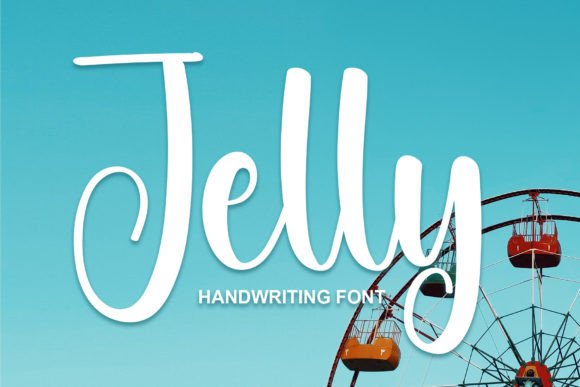
There’s a certain energy that comes from a design that feels human. In a world saturated with crisp, geometric sans-serifs and perfectly polished serifs, a font that captures the spontaneous flow of a hand-drawn letter can be the secret weapon that makes a brand or project instantly relatable. Jelly is exactly that kind of font—a simple, freestyle handwritten typeface that doesn't just spell out words; it communicates a feeling of approachability, creativity, and personal touch. It’s the digital equivalent of a favorite pen on quality paper, designed to bridge the gap between authentic expression and professional application.
A Typeface with Personality for Authentic Branding
When you’re building a brand identity, every element tells a story. The choice between a serif font, a sans serif font, and a script font isn’t just aesthetic; it’s strategic. Jelly, as a premium handwritten font, falls into a category that instantly signals warmth, individuality, and craftsmanship. Think about the brands you connect with on a personal level—the local bakery with chalkboard-style menus, the boutique clothing label with a distinctive logo, or the indie musician with album art that feels like a sketch from their notebook. These brands often use display fonts or creative fonts like Jelly to create a visual handshake before a single word is read.
For a small business owner or entrepreneur, this is invaluable. Imagine you’re launching a line of artisanal candles. Using Jelly for your logo and packaging design does more than just label the product; it conveys the handmade, considered nature of your work. It suggests that there’s a person behind the product who cares about detail and authenticity. This kind of visual consistency across your brand identity—from your website header to your social media graphics and even the thank-you notes included with orders—builds a cohesive and memorable brand recognition that standard corporate fonts often struggle to achieve.
Practical Applications Across Your Creative Projects
The true strength of a font like Jelly lies in its versatility. It’s not a one-trick pony confined to a single use case. As a modern typography asset, it adapts to various mediums while maintaining its core personality.
For logo design and headlines, Jelly provides an immediate focal point that is both eye-catching and easy to read at larger scales. Its freestyle nature ensures your logo won’t look like it was pulled from a generic template. In editorial design and blogs, it can be used for pull quotes, subheadings, or featured titles to break the monotony of body text and inject personality into long-form content. A blog about travel or creative living could use Jelly for its main headers to establish a friendly, narrative tone from the outset.
When it comes to packaging and merchandise, this handwritten typeface shines. It’s perfect for product names on labels, hang tags for apparel, or designs for tote bags and mugs. The font’s casual elegance translates well to physical items, adding a tactile quality that enhances the unboxing experience. Similarly, in the digital realm, social media graphics benefit enormously. Instagram stories, Facebook posts, and Pinterest pins need to grab attention in a fast-scrolling feed. A bold, friendly headline set in Jelly can stop the scroll and make your message feel more personal and less corporate.
Consider its use in digital products and marketing assets as well. E-books, online course materials, and email newsletters can use this font for titles and calls-to-action to create a welcoming and engaging user experience. For invitations and event posters—whether for a wedding, a community workshop, or a music festival—Jelly sets the right mood of celebration and creativity without being overly formal or stiff.
Pairing and Practicality: Making Jelly Work for You
Introducing a distinctive font like Jelly into your design system requires a bit of thought to maintain professionalism and readability. The goal is to let its personality enhance your message, not overwhelm it.
A key practice is font pairing. A handwritten font like Jelly rarely works well as the sole typeface for large blocks of text. Its strength is in display and headline use. For body copy, pair it with a highly readable serif font or a clean, neutral sans serif font. For example, using Jelly for a poster headline and a simple sans-serif like Open Sans or Lato for the event details creates a balanced hierarchy that is both dynamic and clear. This contrast ensures your design remains accessible and your core message is easily digestible.
Readability considerations are also crucial. Always test the font in context. How does it look on a mobile screen versus a printed brochure? At what size does the character spacing start to feel cramped? Jelly’s design is intentionally simple and freestyle, which generally aids legibility, but it’s still wise to check its performance across different sizes and backgrounds. Reviewing the included font styles is another practical step. Does the family come with a bold weight for extra emphasis? Are there alternate characters or ligatures that can add subtle variation and prevent repetition in longer words? Understanding these details allows you to use the font more effectively.
Finally, for any commercial project, licensing is a non-negotiable consideration. Ensure the font license covers your intended use—whether it’s for a client project, merchandise for sale, or digital products. A reputable premium font will provide clear licensing terms, giving you peace of mind to use it broadly across your creative and commercial endeavors.
More Than Just Letters
Ultimately, Jelly is more than a collection of glyphs. It’s a design asset that carries a specific voice—one of creativity, approachability, and human connection. In a strategic context, choosing such a font is an exercise in aligning your visual communication with your brand’s core values. It’s for the designer who wants to break free from the rigidity of corporate templates, the marketer aiming to create more engaging social content, and the entrepreneur looking to give their brand a distinct and friendly face.
Whether you’re developing a full brand identity, crafting a series of posters, or simply looking for a font that makes your next project feel more personal, Jelly offers a compelling solution. It reminds us that in the pursuit of professional polish, we don’t have to sacrifice the warmth and spontaneity that make design truly connect with people. By pairing it thoughtfully and using it with intention, you can harness its freestyle charm to create work that stands out, feels authentic, and resonates deeply with your audience.