Mikier: The Sans Serif Font for Modern Sophistication
You know that feeling when a design just clicks? The layout is solid, the colors work, but something’s holding it back from feeling truly polished. More often than not, the missing piece is typography. A typeface that’s either too trendy or too generic can anchor a project to a specific moment or make it feel like an afterthought. What designers and creators need is a versatile workhorse—a font that brings elegance without pretension and clarity without coldness. That’s the space Mikier occupies beautifully.
A Typeface Built for Real-World Projects
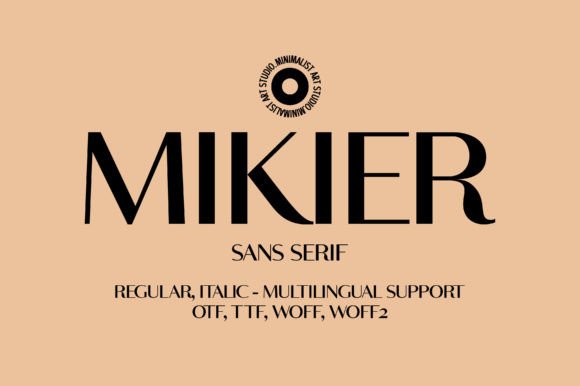
At its core, Mikier is a chic and elegant sans serif font. Don’t let the word “delicate” fool you, though. This isn’t a fragile or overly thin typeface. Its strength lies in its balanced proportions and clean, uncluttered lines. Think of it as the tailored blazer of the font world—it instantly elevates whatever it’s paired with, from a simple business card to a complex editorial spread. The true power of a premium font like this is its adaptability. It has the visual DNA to feel contemporary and fresh, yet its timeless structure ensures it won’t look dated in a year.
For anyone building a brand, consistency is everything. Using Mikier across your logo, website headings, social media graphics, and print materials creates an immediate, cohesive visual language. This kind of consistency is what helps a small business or personal brand look established and trustworthy from day one. It’s not just about looking good; it’s about building recognition and communicating professionalism before a single word is read.
From Logos to Packaging: Practical Applications
Let’s talk specifics. Where does a typeface like Mikier truly shine? The answer is almost everywhere, but its character dictates certain strengths. Its clean, modern aesthetic makes it a superb choice for logo design. A logo set in Mikier feels confident and approachable, avoiding the overly playful feel of some script fonts or the rigid, corporate tone of others. It’s a middle ground that works for lifestyle brands, boutique studios, tech startups, and creative agencies alike.
Beyond the logo, consider your packaging design. A product label or box design needs to be readable at a glance while still conveying brand personality. Mikier’s clear letterforms ensure legibility even at smaller sizes, which is critical for ingredients lists or nutritional information. Meanwhile, its elegance maintains a premium feel on the shelf. For digital products, like downloadable planners, templates, or e-books, using a cohesive typeface like Mikier throughout the document gives it a polished, professional finish that customers appreciate. It transforms a simple PDF into a designed asset.
And then there’s the digital realm. On websites and blogs, typography directly impacts user experience and readability. Mikier works exceptionally well for headlines and subheadings, creating a strong visual hierarchy that guides the reader’s eye. Its clean geometry also holds up beautifully in body text on screen, especially when set with appropriate line spacing. For social media graphics, where you have mere seconds to capture attention, a distinctive yet readable font is your ally. Mikier’s stylish presence helps your posts stand out in a crowded feed without sacrificing clarity.
Pairing and Practicality: Making Mikier Work for You
No font is an island. The real artistry often comes in how you pair it. Because Mikier is a sans serif with a sophisticated personality, it plays well with others. For a classic, readable combination, pair it with a traditional serif font for body text. The contrast creates a pleasing rhythm and makes long-form content, like blog posts or editorial layouts, easier to digest. If you’re going for a more contemporary, minimalist vibe, pairing Mikier with a simple, clean sans serif can work, but be mindful of too much similarity—the goal is contrast, not competition.
For projects that need a touch of warmth or a handcrafted feel, try combining Mikier with a subtle script or handwritten font. Use the script font sparingly for accents, quotes, or a single standout word, and let Mikier handle the heavy lifting for all other text. This approach keeps the design grounded and readable while adding that personal, artisanal touch perfect for invitations, event posters, or branding for craft-based businesses.
When you’re selecting your style, Mikier offers variety. With over 520 glyphs and multi-lingual support, it’s more than just a single weight. Explore the full family—look at the light, regular, and bold weights. A light weight can feel airy and elegant for fashion or beauty brands, while a bold weight commands attention for headlines and posters. Always test your chosen weight in context. What looks good on a font specimen sheet might need adjustment when placed against your chosen imagery or color palette. Print a test, view it on different screens, and see how it feels in motion if you’re creating video graphics.
Considering the Commercial Side
For designers and entrepreneurs, licensing is a practical consideration that can’t be overlooked. A font’s license dictates how you can use it—on websites, in apps, on merchandise, or in client work. When investing in a creative font like Mikier, ensure its license aligns with your project’s scope. Most premium font foundries offer clear commercial licenses, but it’s your responsibility to verify. This due diligence protects you and your clients, ensuring your beautiful designs are also legally sound. It’s a small step that prevents major headaches down the road.
Ultimately, choosing a typeface is a strategic decision. It’s not just about what looks pretty; it’s about what communicates the right message and serves the project’s goals. Mikier offers a rare combination of beauty and utility. It’s a design asset that can elevate a brand’s visual identity, improve the readability of marketing materials, and lend a consistent, professional polish to everything from a wedding invitation to a corporate brochure. In a world saturated with visual noise, the power of refined simplicity shouldn’t be underestimated. Sometimes, the most sophisticated statement is made with clean lines and quiet confidence.