Silk: A Sans Serif Font for Modern, Minimalist Branding
There's a particular kind of design problem that keeps coming up. You're building a brand identity, a website, or a set of marketing materials, and you need a typeface that feels clean and contemporary without being sterile. You want something that communicates sophistication but doesn't scream "luxury brand cliché." This is the space where the Silk font lives—a sans-serif typeface designed for projects that demand clarity, elegance, and a quietly confident modern aesthetic.
More Than Just Clean Lines: The Visual Character of Silk
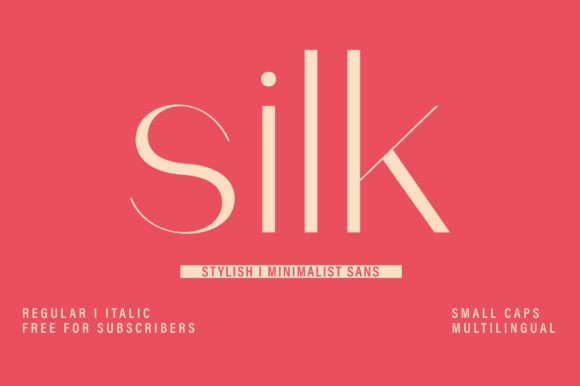
At first glance, Silk presents itself as a geometric sans-serif, but spend a moment with it and you'll notice its personality. The letterforms have a softness, a subtle human touch that prevents them from feeling cold or mechanical. It's this balance between precise geometry and gentle curves that gives the font its versatility. It can anchor a minimalist website with authority, yet it feels perfectly at home on a wedding invitation or the label of an artisanal candle.
The design is intentionally understated. The characters are well-proportioned, with open counters and a generous x-height that contribute to excellent readability, whether you're setting a headline or a block of body text. This is a critical consideration for any brand identity project. A font that looks stunning in a logo but becomes illegible in a paragraph is a liability. Silk avoids that trap, offering a consistent, pleasant reading experience across sizes and contexts.
From Logo to Packaging: Where This Typeface Shines
Think about the touchpoints where your audience interacts with your brand. A logo design is just the beginning. The real test of a premium font is how it performs across the entire ecosystem of your visual communication. This is where a workhorse like Silk proves its value.
For packaging design, especially in sectors like beauty, wellness, gourmet food, or fashion, the font's clarity is a major asset. Product information, ingredients, and instructions need to be instantly legible on a shelf or in a photograph. Silk's clean geometry ensures that even at small sizes, text remains sharp and readable, which is essential for both aesthetics and compliance.
In the digital realm, its strengths are equally apparent. As a web design font, it performs beautifully for both headings and UI elements like buttons and navigation menus. Its neutral-yet-refined character means it won't clash with your imagery or compete for attention, allowing your content and visuals to take center stage. For social media graphics, where clarity must cut through a busy feed, a bold weight of Silk can make a statement, while a regular weight provides a clean, professional look for longer text overlays.
A Practical Toolkit for Designers and Creators
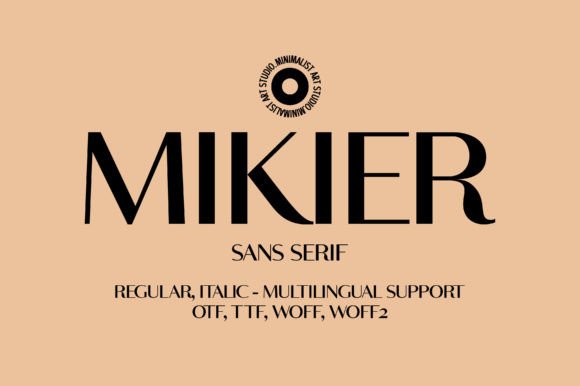
A single font file is rarely enough. Real-world projects demand flexibility. Silk comes equipped with a thoughtful set of styles to support a range of design needs. The Regular and Italic versions form the core, providing the essential duo for most typographic hierarchies—using italics for emphasis, quotes, or secondary information.
The inclusion of Small Caps is a particularly useful feature for designers. Small caps are not simply scaled-down uppercase letters; they are specially designed characters that sit at a harmonious height with the lowercase. They are perfect for creating elegant subheadings, stylish pull quotes, or adding a touch of classic refinement to editorial design layouts in magazines, lookbooks, or annual reports.
Furthermore, multilingual support is a non-negotiable feature for any commercial font intended for a global audience. Whether you're creating marketing assets for a European market or a digital product with a diverse user base, Silk's extended character set ensures your message is communicated accurately and respectfully, without frustrating missing glyphs or awkward substitutions.
Making It Work: Pairing and Application Tips
Choosing the right typeface is only half the battle. Knowing how to use it effectively is what separates good design from great design. Here are some practical considerations for integrating a font like Silk into your projects.
- Font Pairing: Silk's neutral elegance makes it an excellent partner for more expressive fonts. Pair it with a serif font like Garamond or Playfair Display for a classic, high-contrast combination ideal for editorial layouts or luxury branding. For a more cohesive, modern look, pair it with a script font or handwritten font for accents, letting Silk handle all the primary information with clarity.
- Readability First: Always test your chosen style in the context it will be used. A font that looks perfect on your high-resolution monitor might become a blur on a mobile screen or in a printed brochure viewed from a distance. Check kerning (the space between specific letter pairs) and leading (line spacing) to ensure text blocks are comfortable to read.
- Match Style to Goal: Use the Regular style for body text and general information where readability is paramount. Deploy the Italic for gentle emphasis. Use Small Caps for acronyms, introductory lines, or to create a distinct typographic style for headings that feels more refined than standard uppercase.
- Licensing Clarity: Before using any design asset in a commercial project, understand the license. A reputable creative font will come with a clear license that outlines permitted uses—whether for a single client, unlimited projects, or specific media. This protects both you and your client and is a hallmark of professional practice.
A Foundation for Timeless Design
Trends in modern typography come and go, but certain design principles endure. The need for clarity, the desire for a professional presentation, and the goal of building strong brand recognition are constant. A typeface like Silk is built on these principles. It doesn't rely on flashy gimmicks; instead, it offers a reliable, beautiful foundation upon which you can build a cohesive and compelling visual language.
Whether you're a small business owner crafting your first brand identity, a designer working on a client's packaging design, or a content creator developing a suite of digital products, having a versatile, high-quality sans-serif in your toolkit is invaluable. It's the quiet workhorse that ensures your message is not just seen, but understood and remembered with the right tone of voice. In the end, the best fonts don't just display words—they help shape the entire experience of your brand.