Subway: A Clean Typeface for Modern Branding
Imagine you're launching a new coffee shop, a tech startup, or a personal blog. You've got the concept, the colors, and the content. But when you try to pick a font, everything feels either too formal, too playful, or just... generic. That's where a typeface like Subway enters the picture. It’s a sans-serif basic display font designed to be versatile, clean, and immediately recognizable. Think of it as the little black dress of typography—appropriate for almost any occasion, from a corporate report to a social media post, without looking out of place.
The Visual Appeal: Why Subway Works
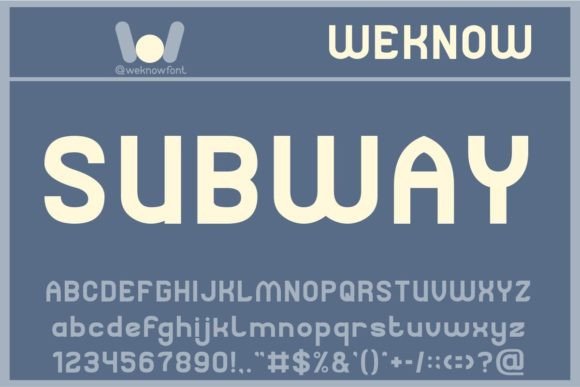
Subway’s strength lies in its simplicity. It’s a sans-serif, meaning it lacks the small projecting features (serifs) at the end of strokes found in fonts like Times New Roman. This gives it a modern, uncluttered feel. As a basic display font, it’s crafted to be legible at larger sizes, making it perfect for headlines, logos, and any situation where you need to grab attention quickly. The characters are well-proportioned, with a balanced weight that feels confident without being aggressive. It’s not trying to be the loudest voice in the room; it’s the one that speaks clearly and gets remembered.
What makes it visually appealing is its neutrality with a hint of personality. It doesn’t have quirky details that might date it or limit its use. Instead, it offers a reliable foundation. This is a premium font in the sense that it’s been designed with care for spacing, kerning, and overall harmony, ensuring your text looks polished right out of the box.
Practical Applications: From Logo to Packaging
Let’s get specific. How do you actually use Subway in your projects? Its adaptability is its biggest selling point.
- Logo and Brand Identity: Subway shines here. A logo needs to work on a business card, a website header, and a storefront sign. Its clean lines ensure it scales beautifully and remains legible. For a brand identity system, using Subway for headlines and body text (in a lighter weight) can create instant visual consistency across all materials.
- Digital Presence: On a website, readability is king. Subway works well for navigation menus, hero sections, and blog post titles. For social media graphics on platforms like Instagram or YouTube, it helps your text stand out in a busy feed. Its modern typography feel aligns perfectly with digital-first brands.
- Print and Merchandise: Think posters, apparel tags, book covers, or magazine layouts. Subway provides a professional presentation. For packaging design, it can communicate product information clearly while looking sleek on a shelf. It’s also a strong choice for merchandise like t-shirts or tote bags where a bold, simple statement is needed.
- Editorial and Marketing: In a magazine or a report, Subway can be used for pull quotes, section headers, or infographics to break up dense text. For marketing assets like flyers or email headers, it ensures your message is delivered with impact.
Improving Your Design Fundamentals
Choosing a font like Subway isn’t just about aesthetics; it’s a strategic decision that impacts how your audience perceives your work. Here’s how it can help improve key aspects of your design:
- Visual Consistency: By using one well-designed typeface family across your project, you avoid a disjointed look. Subway, with its range of styles, allows you to create hierarchy (using bold for titles, regular for body) while maintaining a unified feel.
- Brand Recognition: Consistency breeds recognition. When people see the same clean, professional typography repeatedly, they start to associate it with your brand. Subway provides that consistent, professional backbone.
- Readability: This is non-negotiable. A beautiful font is useless if people can’t read it. Subway’s design prioritizes clarity, making it suitable for both short bursts of text (a headline) and longer passages (a website paragraph), provided you choose an appropriate size and weight.
- Professional Presentation: Using a thoughtfully designed commercial font, rather than a default system font, immediately elevates your project. It shows attention to detail and a commitment to quality, which builds trust with your audience.
Making the Right Choice for Your Project
So, is Subway the right creative font for you? Here’s some practical advice for making that decision.
First, consider your project’s personality. Subway is modern and clean. If you’re designing for a vintage bakery or a whimsical children’s brand, you might need to pair it with a more decorative script font or handwritten font for contrast. It often works beautifully alongside a serif font for a classic, balanced look.
Second, always test font pairings. Don’t just look at Subway in isolation. Create a mock-up of your actual project—a fake Instagram post, a sample business card, a webpage layout. See how it interacts with your other design elements, colors, and imagery. Does it support the overall message or compete with it?
Third, review the included font styles. A good typeface family will offer variations like Bold, Italic, and maybe different weights (Light, Regular, Medium). These are your tools for creating visual hierarchy and emphasis. Check if Subway offers the range you need for your specific applications.
Finally, don’t overlook licensing. If you’re using Subway for a client project, a product you sell, or a commercial website, you need to ensure you have the correct commercial license. This protects you legally and ensures you’re supporting the designers who created the asset.
Ultimately, a typeface is a tool. Subway is a robust, versatile tool designed for a wide array of creative and commercial tasks. It won’t do all the work for you, but it provides a solid, professional foundation upon which you can build a compelling visual story. The best way to know if it’s right is to download a sample, experiment, and see how it feels within the context of your own unique vision.